Companion Plants For Tomatoes That Will Keep Pests Away
Companion Planting for Tomatoes: How to Keep Pests Away
Tomatoes are a popular vegetable to grow in the garden, but they can be susceptible to a variety of pests. Companion planting is a great way to help protect your tomato plants from pests and diseases. Companion plants are plants that are grown together in the same garden bed or area. When chosen carefully, companion plants can offer a variety of benefits to each other, including pest control, pollination, and improved soil health.
There are many different companion plants that can be grown with tomatoes. Some of the most effective companion plants for tomatoes include:
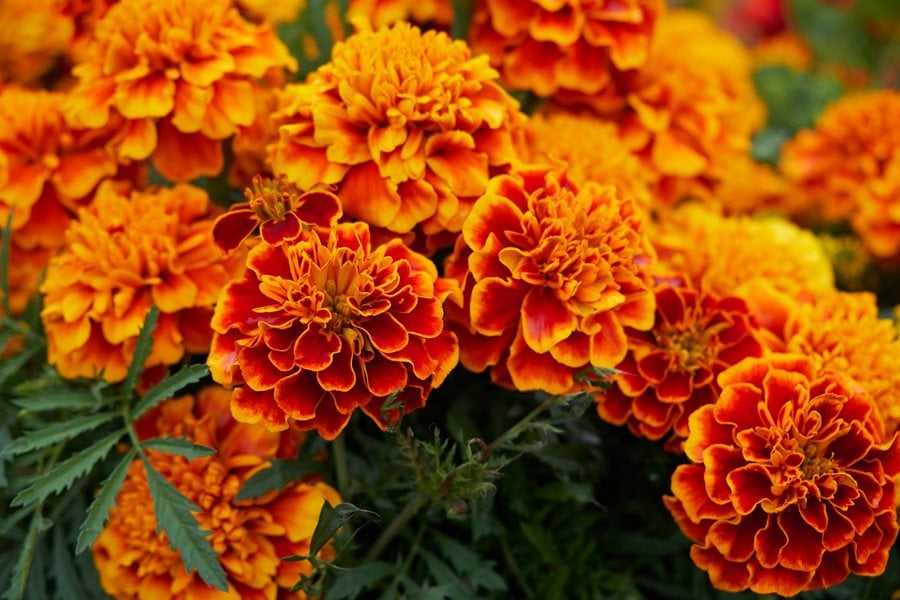
- Marigolds: Marigolds have a strong scent that deters a variety of pests, including aphids, whiteflies, and tomato hornworms. They can also help to improve the soil by attracting beneficial insects, such as ladybugs and lacewings.
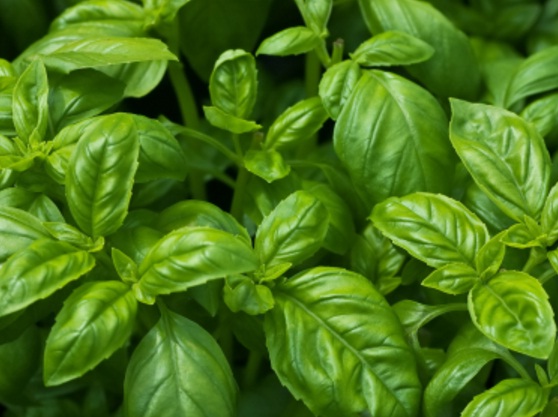
- Basil: Basil has a strong scent that deters aphids, mosquitoes, and other pests. It also helps to improve the flavor of tomatoes.
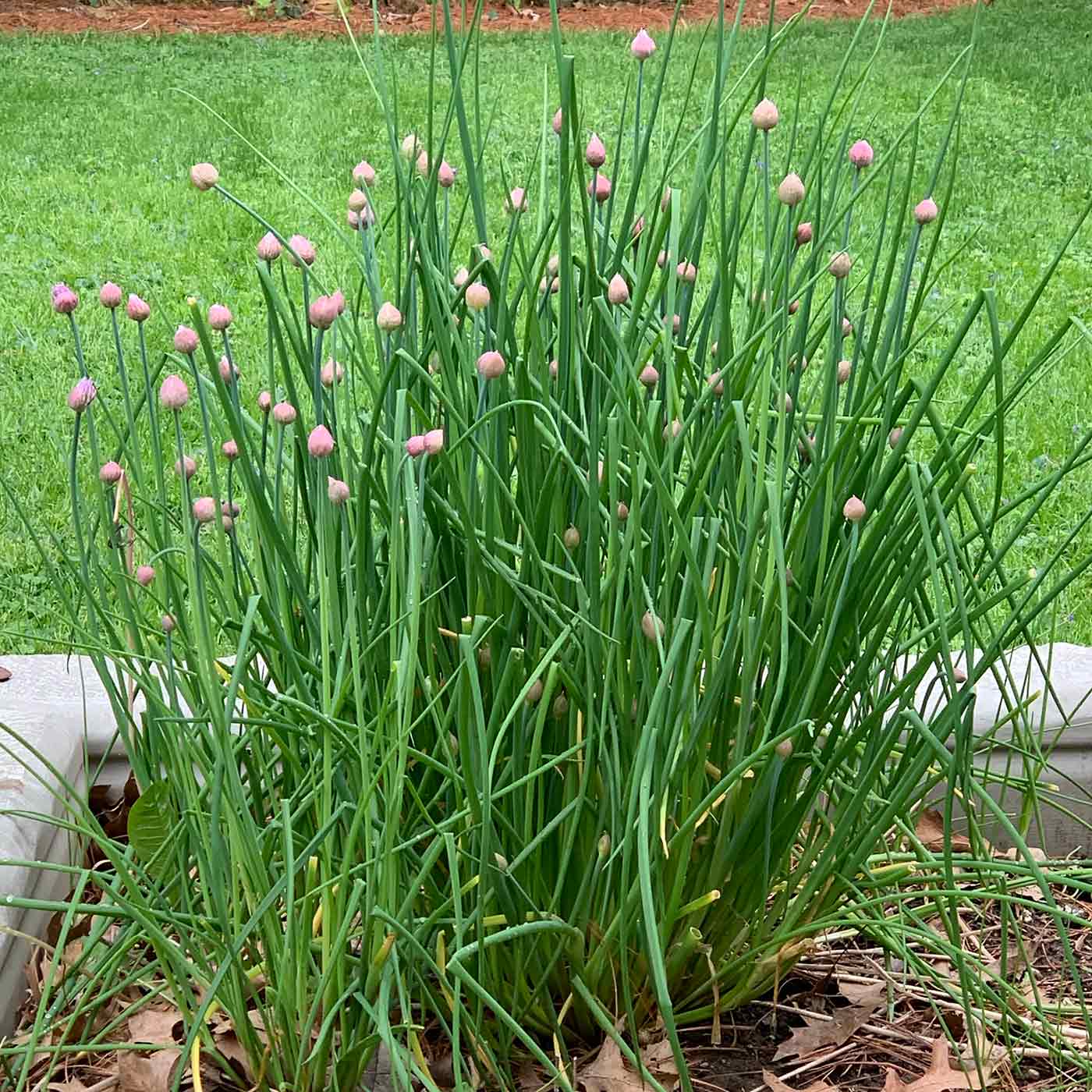
- Chives: Chives have a strong scent that deters aphids, spider mites, and other pests. They can also help to repel rabbits and deer.
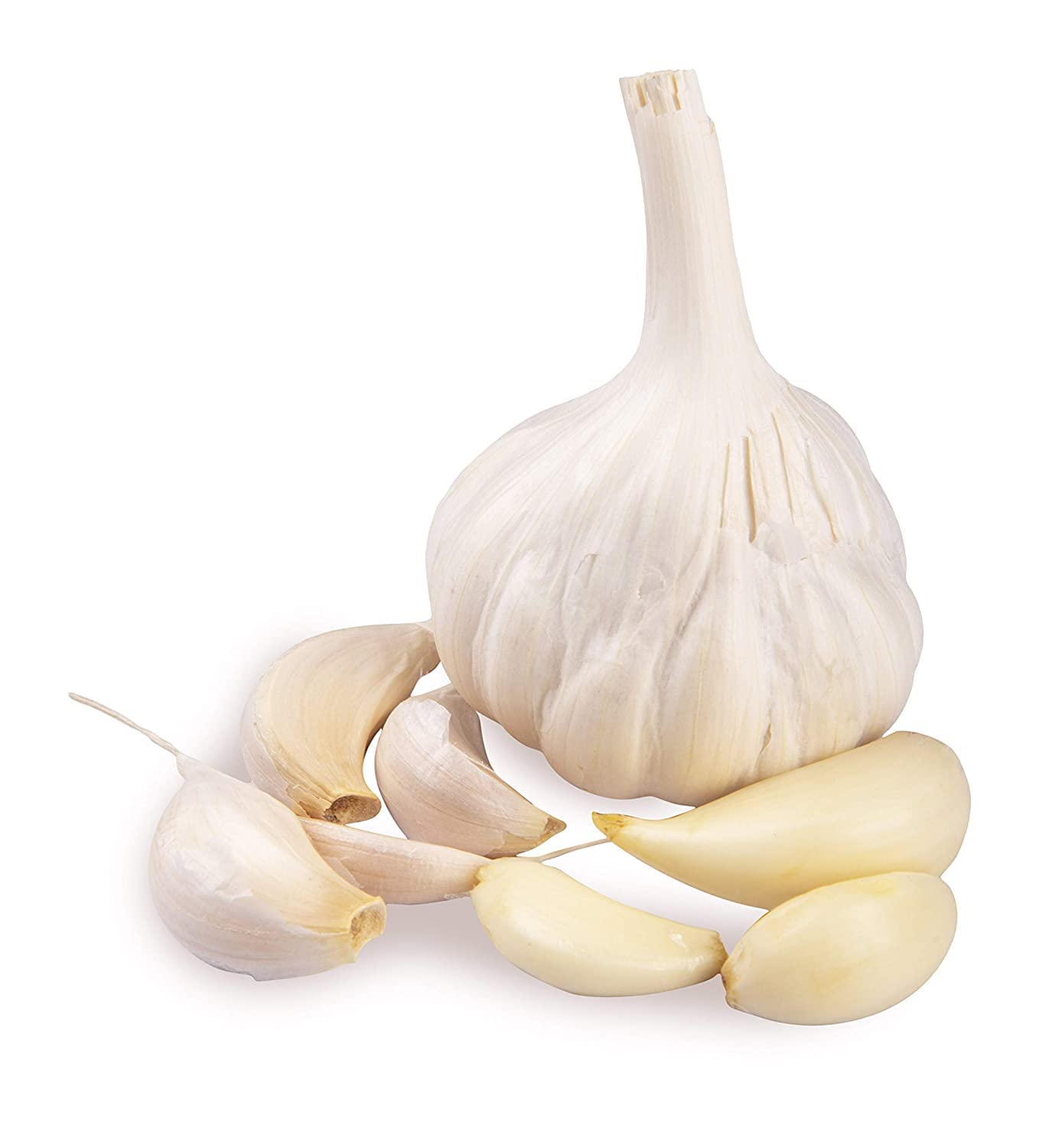
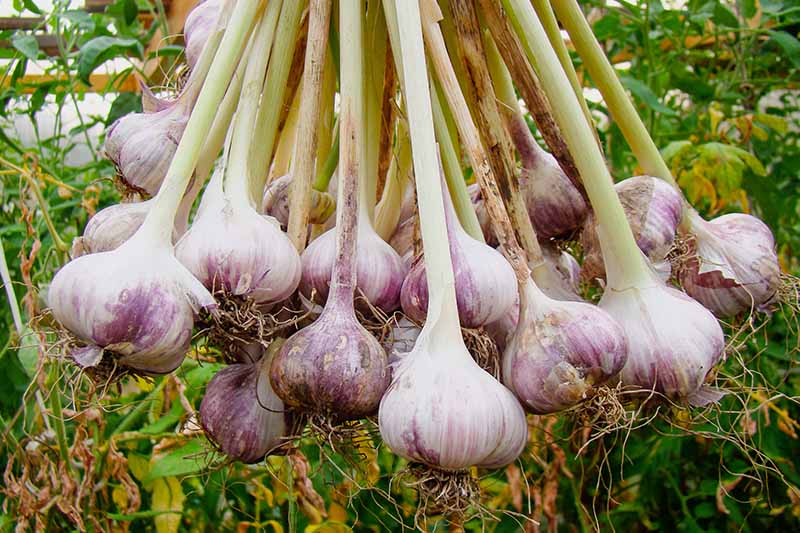
- Garlic: Garlic has a strong scent that deters a variety of pests, including aphids, tomato hornworms, and nematodes. It can also help to improve the flavor of tomatoes.
- Onions: Onions have a strong scent that deters aphids, tomato hornworms, and nematodes. They can also help to improve the flavor of tomatoes.

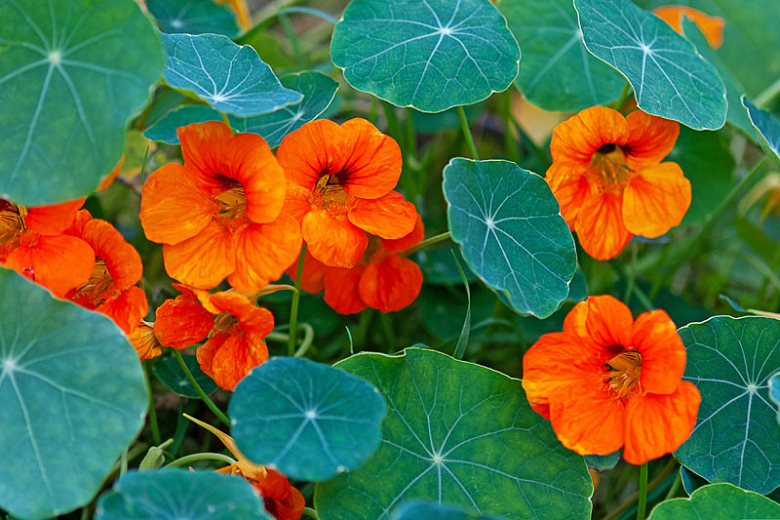
- Nasturtiums: Nasturtiums have a strong scent that deters aphids, whiteflies, and other pests. They can also attract beneficial insects, such as ladybugs and lacewings.
- Sweet alyssum: Sweet alyssum has a strong scent that deters aphids, cabbage worms, and other pests. It can also attract beneficial insects, such as ladybugs and lacewings.
- Bee balm: Bee balm attracts beneficial insects, such as bees and butterflies, which help to pollinate tomatoes.
- Borage: Borage attracts beneficial insects, such as bees and butterflies, which help to pollinate tomatoes. It also helps to repel tomato hornworms.

When choosing companion plants for tomatoes, it is important to consider the size and growth habit of the plants. Some companion plants, such as marigolds and nasturtiums, grow quickly and can provide shade for tomato plants. Other companion plants, such as chives and garlic, grow more slowly and should be planted at the edges of the garden bed.
It is also important to consider the climate in your area when choosing companion plants. Some companion plants, such as basil and parsley, prefer warm weather, while others, such as kale and broccoli, prefer cooler weather.
By carefully choosing companion plants for your tomatoes, you can help to protect them from pests and diseases and improve their overall health and productivity.
Tomatoes are a delicious and popular vegetable, but they can be susceptible to pests. Fortunately, there are a number of companion plants that can help to keep pests away from tomatoes. Some of the best companion plants for tomatoes include:
- Marigolds: Marigolds have a strong scent that deters a variety of pests, including tomato hornworms, aphids, and whiteflies.
- Basil: Basil is another great companion plant for tomatoes. It helps to improve the flavor of tomatoes and also repels pests.
- Chives: Chives release a volatile oil that deters pests like aphids and spider mites.
- Garlic: Garlic is a natural insect repellent and can help to protect tomatoes from pests like thrips and tomato hornworms.
- Nasturtiums: Nasturtiums attract beneficial insects, such as ladybugs and hoverflies, which help to control pests.
If you're looking for a natural way to keep pests away from your tomatoes, consider planting some of these companion plants. You can find more information about companion planting for tomatoes at Gardenia Inspiration.
FAQ of companion plants for tomatoes to keep pests away
- What are some companion plants that can help keep pests away from tomatoes?
Some of the best companion plants for tomatoes include:
- Marigolds: Marigolds have a strong scent that deters many common tomato pests, such as aphids, whiteflies, and tomato hornworms.
- Basil: Basil is another great companion plant for tomatoes. It not only helps to repel pests, but it also improves the flavor of tomatoes.
- Chives: Chives have a strong scent that can help to deter pests, such as aphids and spider mites. They also help to improve the drainage of the soil around tomato plants.
- Nasturtiums: Nasturtiums are another flowering plant that can help to deter pests, such as aphids and whiteflies. They also attract beneficial insects, such as ladybugs and lacewings, which help to prey on pests.

- Garlic: Garlic is a strong-scented herb that can help to deter pests, such as aphids, tomato hornworms, and nematodes.
- How far apart should companion plants be planted from tomatoes?
The distance between companion plants and tomatoes will vary depending on the size of the plants. In general, it is a good idea to plant companion plants at least 12 inches away from tomatoes. This will give the plants enough space to grow and thrive without competing with each other for resources.
- Can I plant companion plants with tomatoes in a container?
Yes, you can plant companion plants with tomatoes in a container. However, it is important to choose companion plants that have similar water and sunlight requirements as tomatoes. Some good companion plants for tomatoes in containers include basil, chives, and marigolds.
- What are some pests that companion plants cannot repel?
No companion plant can completely repel all pests. However, companion plants can help to reduce the number of pests that attack tomatoes. Some pests that companion plants cannot repel include:
- Spider mites: Spider mites are tiny insects that can cause damage to tomato plants by sucking the sap out of the leaves.
- Flea beetles: Flea beetles are small, jumping insects that can damage tomato plants by eating the leaves and stems.
- Tomato hornworms: Tomato hornworms are large caterpillars that can eat the leaves and fruit of tomato plants.
- What are some other benefits of companion planting with tomatoes?
In addition to helping to repel pests, companion planting with tomatoes can also offer other benefits, such as:
- Improved soil health: Companion plants can help to improve the soil health around tomato plants by adding nutrients and organic matter.
- Increased pollination: Some companion plants, such as bee balm and borage, attract pollinators, which can help to increase pollination of tomato flowers.
- Reduced disease risk: Some companion plants, such as nasturtiums and marigolds, can help to reduce the risk of disease in tomato plants.

Post a Comment for " Companion Plants For Tomatoes That Will Keep Pests Away"