Herbs That Don't Play Well Together:
Title: Herbs That Don't Play Well Together: A Guide to Companion Planting
Introduction:
Herbs are a great way to add flavor and nutrition to your meals, but did you know that not all herbs play well together? Some herbs can actually inhibit the growth or flavor of others when planted too close together. This is known as companion planting, and it's an important consideration if you want to get the most out of your herb garden.
In this blog post, we'll discuss some of the most common herbs that don't play well together. We'll also provide tips on how to avoid planting these herbs together, so you can enjoy the best possible flavor from your herb garden.
Main Content:
Here are some of the most common herbs that don't play well together:
- Fennel: Fennel is a strong-flavored herb that can inhibit the growth of other herbs. It's best to plant fennel away from other herbs, especially dill.
- Mint: Mint is another aggressive herb that can take over a garden if not contained. It's best to plant mint in its own pot or container, or in an area where it can't spread.
- Basil: Basil can be sensitive to the presence of other herbs, especially mint. It's best to plant basil away from mint, and to avoid planting basil in the same pot or container as mint.
- Cilantro: Cilantro can have a strong aroma that can overpower the flavor of other herbs. It's best to plant cilantro away from other herbs, or to use it sparingly in dishes that contain other strong-flavored herbs.
- Dill: Dill can attract pests that can damage other herbs. It's best to plant dill away from other herbs, or to take steps to control pests in your garden.
In addition to these herbs, there are a few other herbs that should be planted with caution. For example, sage can inhibit the growth of rosemary, and oregano can inhibit the growth of thyme. It's always best to do a little research before planting herbs together, to make sure that they will be compatible.
Tips for Avoiding Companion Planting Problems:
- Plant herbs with similar water and sunlight needs together. This will help to ensure that all of your herbs are getting the resources they need to thrive.
- Plant herbs with different growth habits together. This will help to prevent one herb from overtaking the other. For example, you could plant a tall herb like rosemary next to a short herb like parsley.
- Plant herbs with compatible scents together. This will help to create a harmonious flavor profile in your dishes. For example, you could plant basil and oregano together, or mint and cilantro together.
Conclusion:
By following these tips, you can avoid companion planting problems and enjoy the best possible flavor from your herb garden. So next time you're planning your herb garden, be sure to take the time to research which herbs are compatible with each other. Your taste buds will thank you!
When planning your herb garden, it's important to know which herbs do and don't grow well together. Some herbs can compete for nutrients, water, or sunlight, while others can release chemicals that inhibit the growth of neighboring plants.
Here are a few examples of herbs that don't grow well together:
- Fennel and cilantro: These two herbs are incredibly competitive, so it's best to avoid planting them together.
- Rue, sage, and basil: These herbs can all damage each other by inhibiting their growth.
- Dill and lavender: Dill prefers acidic soil, while lavender prefers alkaline soil. Planting these two herbs together can lead to nutrient deficiencies.
- Mint: Mint is a very invasive herb, so it's best to plant it in its own container or separate area.
For more information about which herbs don't grow well together, please visit Garden Wiki.
FAQ of herbs that don t grow well together
- Q: What are some herbs that don't grow well together?
A: There are a number of herbs that don't grow well together, either because they compete for resources, release chemicals that inhibit the growth of other plants, or attract pests. Some of the most common herbs that don't grow well together include:
* Fennel and wormwood: These two herbs release allelopathic chemicals that can inhibit the growth of other plants.
* Rue: Rue is a poisonous herb that should be kept away from other plants, as it can stunt their growth and even kill them.
* Anise and dill: These two herbs have similar growth requirements, so they can compete for resources if planted too close together.
* Dill and tomatoes: Dill can attract spider mites, which can damage tomatoes.
* Sage and cucumber: Sage can release chemicals that inhibit the growth of cucumbers.
- Q: What are the reasons why some herbs don't grow well together?
A: There are a few reasons why some herbs don't grow well together. These reasons include:
* Competition for resources: Some herbs have similar growth requirements, so they can compete for water, nutrients, and sunlight if planted too close together. This can lead to poor growth and even death of the plants.
* Allelopathy: Some herbs release chemicals into the soil that can inhibit the growth of other plants. This is known as allelopathy.
* Attraction of pests: Some herbs attract pests that can damage other plants. For example, dill can attract spider mites, which can damage tomatoes.
- Q: What can I do to prevent herbs from growing poorly together?
A: There are a few things you can do to prevent herbs from growing poorly together. These include:
* Planting herbs in the correct location: Choose a location for your herbs that has the right amount of sunlight, water, and nutrients for each type of herb.
* Spacing herbs correctly: Plant herbs far enough apart so that they don't compete for resources.
* Avoiding planting allelopathic herbs together: If you know that an herb releases allelopathic chemicals, avoid planting it near other plants that are sensitive to these chemicals.
* Monitoring your plants for pests: If you see pests on one of your herbs, take steps to control them before they damage other plants.
Image of herbs that don t grow well together
- Basil and fennel: These two herbs have strong flavors that can clash when planted together.
- Cilantro and mint: Both of these herbs are very aggressive growers and can crowd each other out.

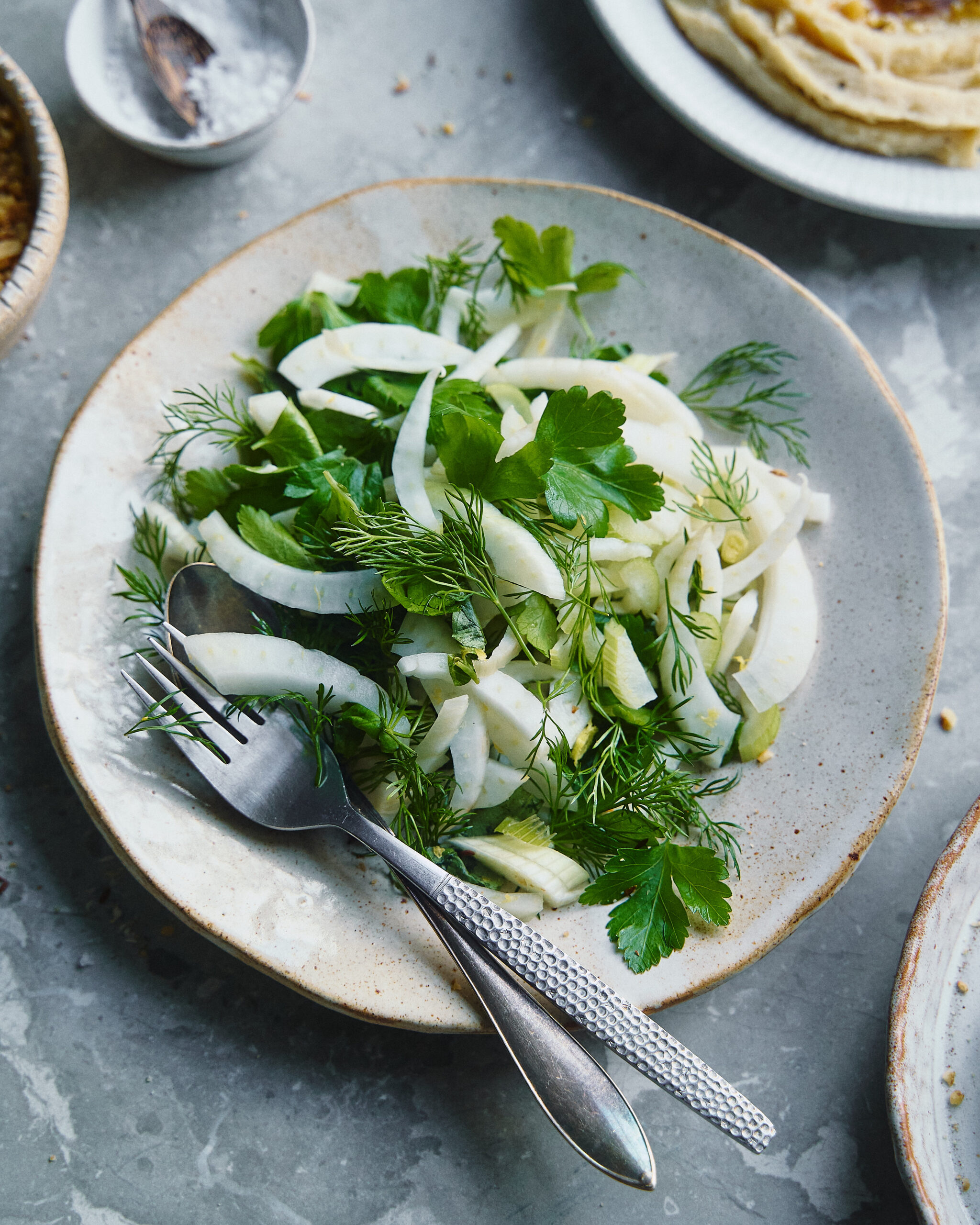
- Dill and parsley: Dill has a strong, pungent flavor that can overpower the more delicate flavor of parsley.

- Lavender and rosemary: These two herbs have different water and nutrient requirements, so they're not ideal to plant together.

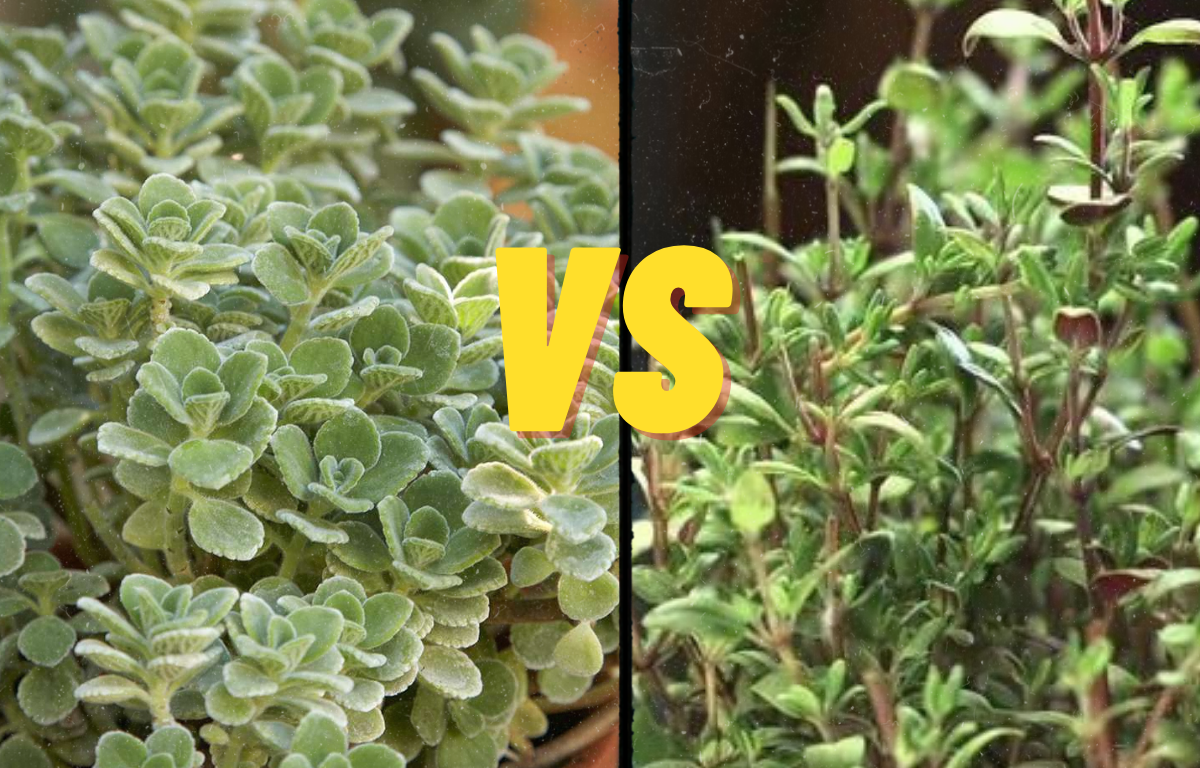
- Oregano and thyme: These two herbs are both Mediterranean herbs and can do well together, but they can also compete for space.
- Parsley and rosemary: Like lavender and rosemary, parsley and rosemary have different water and nutrient requirements, so they're not ideal to plant together.

- Sage and thyme: These two herbs are both Mediterranean herbs and can do well together, but they can also compete for space.
- Sorrel and spinach: Sorrel has a sour flavor that can clash with the more mild flavor of spinach.

- Thyme and marjoram: These two herbs are both Mediterranean herbs and can do well together, but they can also compete for space.


Post a Comment for "Herbs That Don't Play Well Together:"